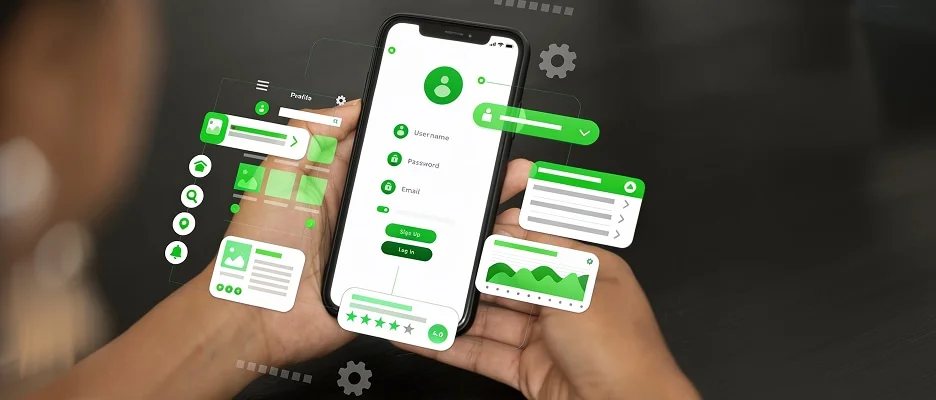
How Mobile Apps Improve Customer Engagement and Brand Loyalty
In today’s digital-first world, customers expect businesses to be accessible, responsive, and personalized at every touchpoint. While websites continue to play a critical role in building an online presence, mobile applications have emerged as one of the most powerful tools for strengthening customer relationships and building long-term brand loyalty.
With billions of smartphone users worldwide, mobile apps have transformed the way businesses interact with their customers. Whether it’s an eCommerce store, healthcare provider, educational platform, financial institution, restaurant chain, or service-based business, mobile apps create direct and continuous communication channels between brands and users.
Unlike websites, which require customers to actively visit a browser, mobile apps remain present on users’ devices, allowing businesses to engage customers more frequently and effectively. This constant accessibility creates opportunities for deeper engagement, personalized experiences, and stronger customer retention.
For businesses focused on long-term growth, customer loyalty, and increased revenue, investing in mobile app development is no longer a luxury—it has become a strategic necessity.
Understanding Customer Engagement and Brand Loyalty
Before exploring the benefits of mobile apps, it’s important to understand the difference between customer engagement and brand loyalty.
Customer Engagement
Customer engagement refers to the interactions customers have with a business across various channels.
Examples include:
- Browsing products
- Reading content
- Making purchases
- Using services
- Providing feedback
- Participating in promotions
Higher engagement often leads to stronger customer relationships and increased sales opportunities.
Brand Loyalty
Brand loyalty occurs when customers repeatedly choose a particular brand over competitors because of positive experiences, trust, and satisfaction.
Loyal customers are more likely to:
- Make repeat purchases
- Recommend the brand to others
- Spend more over time
- Remain customers despite competitor offers
Mobile applications play a significant role in strengthening both engagement and loyalty.
Why Mobile Apps Are Becoming Essential for Businesses
Consumer behavior has changed dramatically over the last decade.
Modern customers prefer:
- Instant access to information
- Fast purchasing experiences
- Personalized recommendations
- Mobile convenience
- Real-time communication
Mobile apps meet these expectations by providing a dedicated platform designed specifically for customer interaction.
As smartphone usage continues to grow, businesses that offer seamless mobile experiences gain a significant competitive advantage.
Creating a Direct Communication Channel
One of the biggest advantages of mobile apps is direct access to customers.
Unlike social media platforms or search engines, businesses own the communication channel within their app.
This allows brands to connect directly with users through:
- Push notifications
- In-app messages
- Personalized alerts
- Promotional offers
- Service updates
Direct communication helps businesses remain visible and relevant without relying entirely on third-party platforms.
Personalized Customer Experiences
Personalization has become a major driver of customer engagement.
Modern consumers expect brands to understand their preferences and deliver relevant experiences.
Mobile apps can collect valuable insights such as:
- Browsing behavior
- Purchase history
- User preferences
- Location data
- Usage patterns
Businesses can use this information to provide:
- Personalized recommendations
- Customized offers
- Relevant content
- Targeted promotions
Personalized experiences make customers feel valued and increase the likelihood of repeat engagement.
Push Notifications Improve Engagement
Push notifications are one of the most effective mobile engagement tools.
Unlike emails, which may remain unopened, push notifications appear directly on users’ devices.
Businesses can use notifications to:
- Announce promotions
- Share new product launches
- Send appointment reminders
- Offer personalized discounts
- Encourage app re-engagement
When used strategically, push notifications help increase customer interaction and retention.
Convenience Leads to Higher Customer Satisfaction
Customers value convenience.
A mobile app simplifies interactions by providing:
- Quick access to services
- Faster transactions
- Saved user preferences
- One-click purchases
- Easy account management
Reducing friction in the customer journey improves satisfaction and encourages continued usage.
The easier it is for customers to interact with a brand, the more likely they are to remain loyal.
Building Stronger Customer Relationships
Mobile apps enable businesses to stay connected with customers throughout their journey.
Through regular interactions, businesses can:
- Understand customer needs
- Offer timely support
- Gather feedback
- Deliver value consistently
These ongoing interactions help build trust and strengthen customer relationships over time.
Trust is one of the most important factors influencing brand loyalty.
Loyalty Programs Become More Effective
Many successful brands use mobile apps to manage customer loyalty programs.
Mobile apps make it easier to:
- Track reward points
- Redeem offers
- Access exclusive discounts
- Participate in referral programs
Customers appreciate having all loyalty-related information available in one place.
Well-designed loyalty programs encourage repeat purchases and long-term engagement.
Faster Customer Support Experiences
Customer support directly influences brand perception.
Mobile apps can improve support through:
- Live chat features
- AI-powered chatbots
- Help centers
- Ticket management systems
- Direct communication channels
Fast and convenient support experiences increase customer satisfaction and reinforce trust in the brand.
Improving Customer Retention
Acquiring new customers is often more expensive than retaining existing ones.
Mobile apps help improve retention by:
- Increasing engagement frequency
- Providing ongoing value
- Offering personalized experiences
- Simplifying transactions
Customers who regularly interact with an app are less likely to switch to competitors.
Retention is one of the strongest indicators of brand loyalty.
Enhancing the Customer Journey
Every interaction influences the customer experience.
Mobile apps help optimize each stage of the journey:
Awareness
Customers discover products and services through personalized content.
Consideration
Apps provide information, reviews, and recommendations.
Purchase
Streamlined purchasing processes reduce friction.
Post-Purchase
Businesses can provide support, updates, and loyalty rewards.
A seamless customer journey encourages repeat engagement and long-term loyalty.
Real-Time Customer Engagement
Mobile apps enable businesses to interact with customers in real time.
Examples include:
- Order updates
- Delivery tracking
- Appointment confirmations
- Event notifications
- Account alerts
Real-time communication creates transparency and improves the overall customer experience.
Collecting Valuable Customer Insights
Mobile apps provide businesses with valuable data about customer behavior.
Insights may include:
- Most viewed products
- Purchase patterns
- Feature usage
- Customer preferences
- Engagement trends
These analytics help businesses make data-driven decisions that improve customer experiences and marketing strategies.
Strengthening Brand Recognition
A mobile app keeps your brand visible every day.
Every time users unlock their smartphones, they see the app icon and branding.
This constant visibility increases:
- Brand awareness
- Familiarity
- Recall value
Frequent exposure strengthens the emotional connection between customers and the brand.
Competitive Advantage in the Digital Marketplace
Many businesses still rely solely on websites.
A well-designed mobile app can differentiate a brand by offering:
- Superior convenience
- Faster experiences
- Better personalization
- Enhanced engagement opportunities
Businesses that invest in mobile technology often gain a significant edge over competitors.
Supporting Omnichannel Experiences
Customers frequently switch between devices and channels.
For example:
- Browsing on a mobile app
- Researching on a website
- Purchasing through a tablet
- Contacting support through chat
Mobile apps support omnichannel strategies by creating consistent experiences across multiple touchpoints.
Consistency helps strengthen customer trust and loyalty.
Mobile Apps and Revenue Growth
Engaged customers are more likely to:
- Make purchases
- Upgrade services
- Respond to promotions
- Refer others
This leads to:
- Higher customer lifetime value
- Increased revenue
- Better retention rates
- Improved profitability
Mobile apps contribute directly to both customer satisfaction and business growth.
Industries Benefiting Most from Mobile Apps
Mobile applications deliver value across various industries, including:
E-commerce
- Product browsing
- Mobile shopping
- Personalized recommendations
Healthcare
- Appointment booking
- Telemedicine
- Patient engagement
Education
- Online learning
- Student communication
- Course management
Finance
- Mobile banking
- Investment tracking
- Financial services
Service Businesses
- Scheduling
- Customer communication
- Service management
Virtually every industry can leverage mobile apps to improve customer engagement.
Key Features That Drive Engagement and Loyalty
Successful mobile apps often include:
- User-friendly interfaces
- Fast performance
- Push notifications
- Loyalty programs
- Personalized recommendations
- Secure payments
- Real-time support
- Social sharing features
Combining these features creates stronger customer relationships and better business outcomes.
Future Trends in Mobile App Engagement
The future of mobile app experiences will be shaped by:
- Artificial Intelligence
- Predictive personalization
- Voice interactions
- Augmented Reality
- Advanced analytics
- Hyper-personalized content
Businesses investing in modern mobile app development today will be better positioned to leverage these innovations in the future.
Conclusion
Mobile apps have evolved from optional digital tools into essential business assets. They provide businesses with direct access to customers, personalized engagement opportunities, real-time communication capabilities, and powerful loyalty-building mechanisms.
By improving convenience, enhancing customer experiences, and strengthening relationships, mobile apps help businesses increase engagement, boost retention, and build lasting brand loyalty. As competition continues to grow across industries, organizations that invest in mobile technology gain a significant advantage in customer acquisition and retention.
If your business is looking to create a powerful mobile presence, improve customer engagement, and build stronger brand loyalty, partnering with an experienced app development company is crucial. At Innovins SoftTech, we specialize in developing custom mobile applications tailored to your business goals, user needs, and growth strategy. Whether you need an Android app, iOS app, cross-platform solution, or enterprise mobile application, our team can help you build a scalable, secure, and user-friendly app that drives measurable business results and long-term customer loyalty.